Behavioral health organizations are built to care for people. Yet the people providing that care often carry growing caseloads, shifting expectations, documentation demands, staffing gaps, and the emotional weight of the work. When everyone is meeting the next urgent need, it can be difficult to notice that the care system itself needs attention.
Staff strain does not automatically mean an organization is failing. It is information. It may be telling leaders that a workflow is too complicated, priorities are competing, training has not kept pace with change, or employees no longer feel safe naming what is getting in the way. The goal is not to eliminate every hard day. The goal is to build a workplace that can notice pressure early, respond thoughtfully, and keep quality from depending on individual heroics.
Quality and workforce wellbeing are connected
When staff members are exhausted or unclear about expectations, small problems can travel. Communication becomes rushed. Documentation may be delayed. Supervision turns into task review. Teams solve the same problem repeatedly because no one has time to repair the process underneath it. Eventually, people may stop raising concerns because they expect nothing will change.
Leaders do not need to have every answer. They do need a reliable way to ask better questions, listen without becoming defensive, and turn what they hear into visible action.
Five questions worth asking
What is making good work harder than it needs to be?
Ask staff about obstacles, not only attitudes. A strong clinician may be struggling with duplicate forms, unclear approval steps, or a schedule that leaves no room to finish essential documentation. Look for repeated friction across roles. If several people describe the same barrier, the system may need redesign rather than another reminder.
Do our priorities match the time and resources we provide?
Organizations often name many things as urgent. Staff then make private decisions about what can wait. Clarify the few priorities that matter most right now, what can be paused, and how leaders will protect time for the work they say is important. A priority without time, staffing, or tools is often only a wish.
Where do staff feel confident, and where are they quietly guessing?
Policies cannot support quality if employees do not understand how to apply them. Invite staff to walk through common situations in their own words. Ask what they would do, whom they would contact, and where they would find guidance. Their answers can reveal training needs that a signed acknowledgment form cannot.
What happens after someone raises a concern?
Feedback requires a loop. Staff should know that a concern was heard, who is reviewing it, and what will happen next. Not every suggestion can be adopted, but silence teaches people that speaking up is pointless. A brief, honest update can build more trust than a promise that disappears.
What are we asking people to absorb without support?
New programs, staffing changes, difficult incidents, and shifting regulations all carry emotional and operational impact. Consider whether teams have enough supervision, debriefing, training, and recovery time. Support is not only an employee benefit. It is part of how an organization protects sound judgment and consistent care.
Begin with one visible improvement
A healthy culture is built through small, repeated experiences. Choose one pressure point that staff consistently name. Map the current process with the people who use it. Remove an unnecessary step, clarify ownership, or provide a practical tool. Then tell the team what changed because of their feedback and check whether the change actually helped.
Leaders can also create a simple monthly rhythm: review one quality measure, one workforce concern, one piece of feedback from persons served, and one improvement action. This keeps quality connected to daily operations instead of reserving it for crisis meetings or survey preparation.
Caring for the system does not mean lowering expectations. It means creating the conditions in which people can meet them with clarity, skill, and support. When staff can speak honestly about strain and see leaders respond, the organization becomes more able to learn. That learning protects both the people who provide care and the people who depend on it.
Organizational consultation
Strengthen the system behind the care.
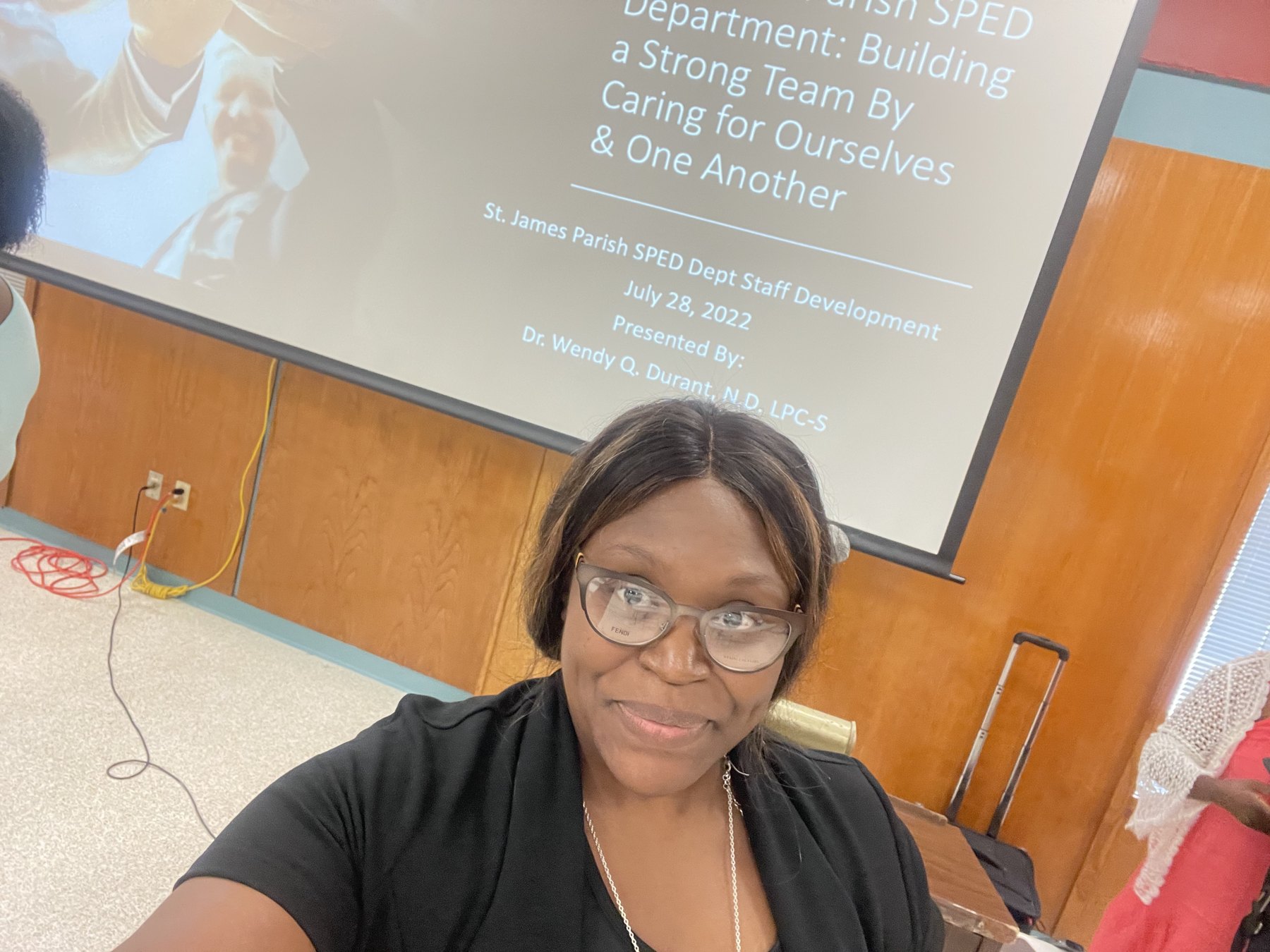
Dr. Wendy Q. Durant supports behavioral health organizations with business development, leadership consultation, staff training, quality improvement, and CARF readiness. Her approach is collaborative, practical, and shaped around the realities of your organization.
Let us identify what is straining your team and build a clear, workable path forward.
Email info@duracarecounseling.com or call (504) 708 5405.

About the author
Wendy Q. Durant
Wendy helps leaders turn complex expectations into practical systems that support quality, staff confidence, and the people their organizations serve.